





Early real-world experience with Encelto (revakinagene taroretcel-lwey; Neurotech), an encapsulated cell therapy delivering ciliary neurotrophic factor, suggests sustained anatomic and functional effects in macular telangiectasia type 2 (MacTel), according to findings presented at Clinical Trials at the Summit in Las Vegas. Roger A. Goldberg, MD, MBA, a retina specialist and partner at Bay Area Retina Associates in Walnut Creek, California, reviewed outcomes from clinical trials prior to Encelto’s approval by the US Food and Drug Administration in March 2025, as well as data from postapproval experiences with the implant.
Pooled data from the 3 randomized, sham-controlled studies demonstrated a 36% reduction in photoreceptor loss over 2 years, based on preservation of the ellipsoid zone, the primary endpoint across the development program. Functional benefits were also observed. According to Dr. Goldberg, treatment reduced the loss of monocular reading speed by 68% and reduced retinal sensitivity loss by approximately 35% compared with controls.
Since Encelto was approved, the surgical procedure to implant the therapy has evolved (Figure 1). Dr. Goldberg noted that real-world experience has led to refinements designed to reduce device-related and suture-related complications. Among the changes are squaring off the 3-mm sclerotomy with a 15-degree blade, and more defined suture mechanics. A secure 3-1-1 knot is used at the apex of the titanium fixation loop as an anchoring knot prior to scleral fixation. The Prolene suture is kept double-armed and is not used as a wound-closure suture. Instead, it is tied for fixation, taking 90+-percent scleral bites, and tying another 3-1-1 knot, with tails buried within the sclera to reduce the risk of conjunctival erosion and irritation. Closure of the sclerotomy is then performed with interrupted 9-0 nylon sutures, and proper rotation of nylon knots into the sclera is emphasized as critical. “We’re continuing to refine some of the surgical technique,” Dr. Goldberg said.
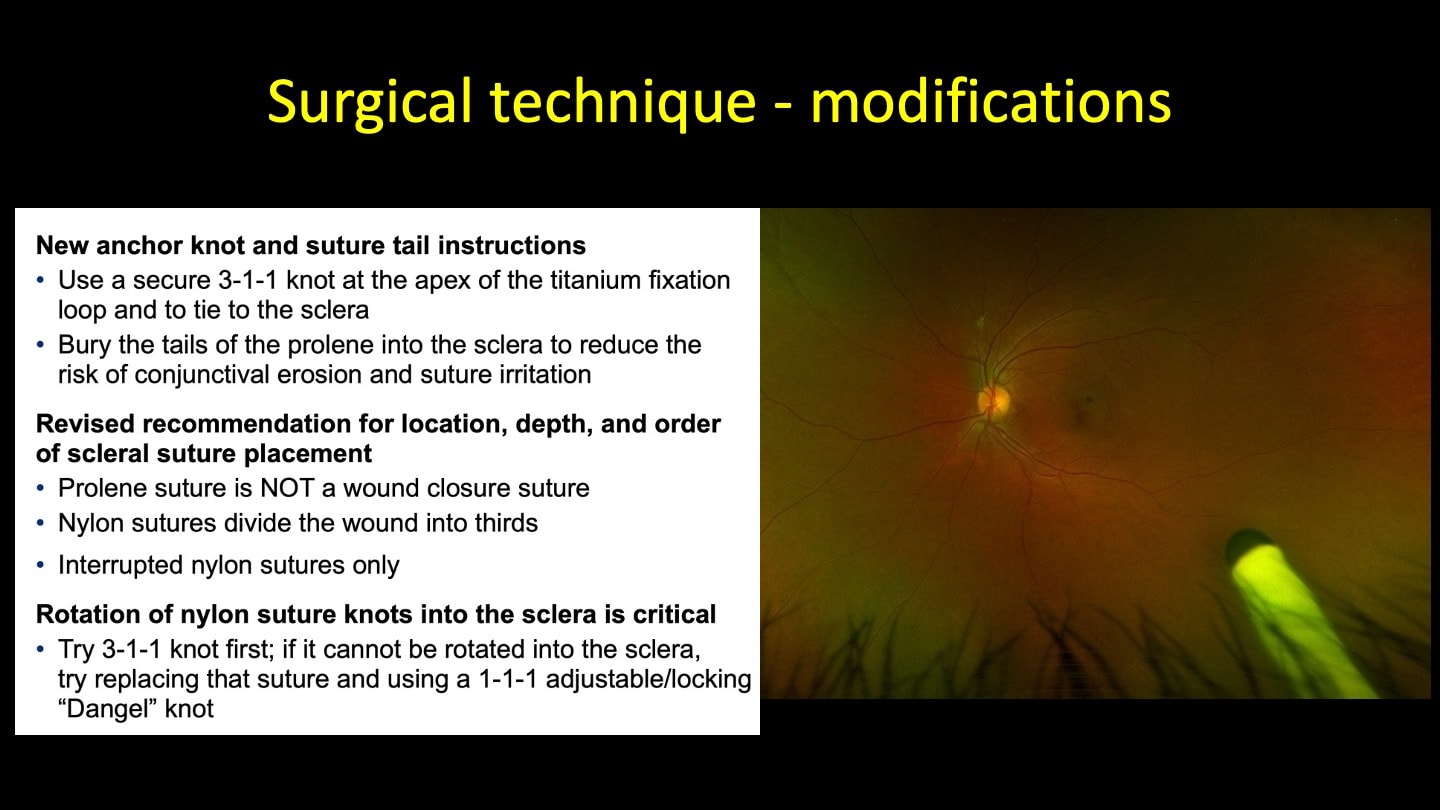
Figure 1. Modifications to the surgical technique for Encelto implantation.
Safety findings in the real world have remained consistent with those observed in the clinical trials, Dr. Goldberg said. Approximately 20% of patients experience mild delayed dark adaptation. A similar proportion report miosis, although Dr. Goldberg noted that these effects do not necessarily occur in the same patients.
As physicians begin incorporating the therapy into practice, patient selection remains an important consideration. Post hoc analyses identified that younger patients, those with smaller areas of ellipsoid zone loss, and those without foveal involvement are the strongest responders. In his own practice, Dr. Goldberg says he looks for at least 2 of 3 characteristics—structural evidence of tissue loss on OCT, symptoms attributable to disease, and evidence of progression—before recommending treatment. “You certainly don't need all 3 of those,” he said, “but I’d like to see 2 of them.”
Taken together, the clinical trial results and early real-world experience suggest Encelto can help address a longstanding treatment gap (Figure 2). “In summary, I think Encelto is checking all the boxes for our patients with MacTel,” Dr. Goldberg concluded. RP
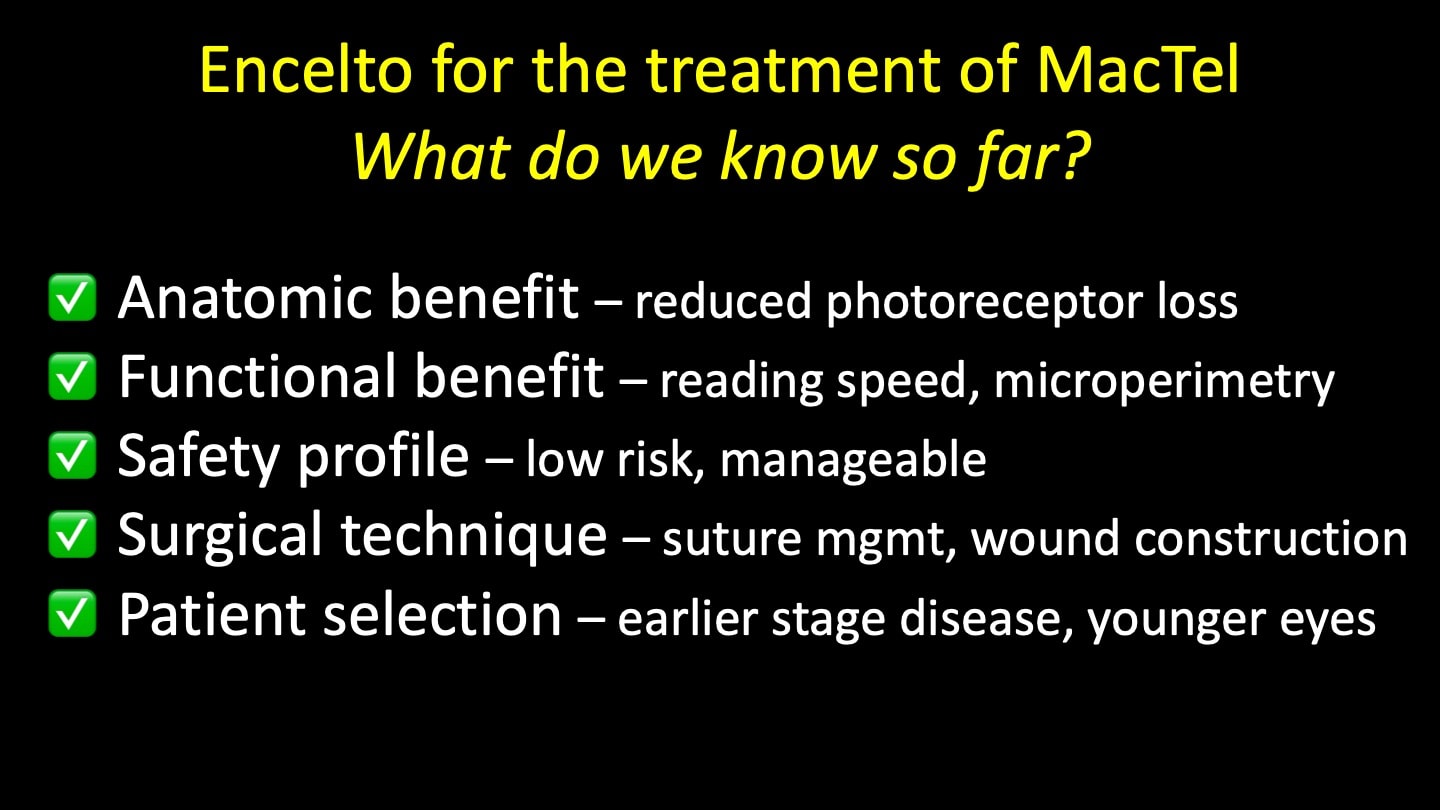
Figure 2. During the Clinical Trials at the Summit meeting in Las Vegas, Roger A. Goldberg, MD, MBA, discussed early real-world experience with Encelto (Neurotech Pharmaceuticals) that suggests sustained anatomic and functional effects in macular telangiectasia type 2.